Introduction: The Power of Digital Advertising
Digital advertising is one of the most powerful tools in modern marketing. As Sana, a social media strategist with 3 years of experience, I have managed multiple ad campaigns across platforms like Facebook, Instagram, and Google. One thing I have learned is that advertising is not just about spending money—it is about strategy, targeting, and understanding human behavior.
Beginners often believe that ads automatically bring results, but the truth is far more complex. A successful ad campaign requires planning, testing, and continuous optimization.


Understanding Target Audience
The foundation of any advertisement is audience targeting. If you do not know who you are speaking to, your message will fail. Platforms like Meta Ads and Google Ads allow precise targeting based on age, interests, behavior, and location.
In my experience, campaigns that clearly define their audience perform significantly better than broad targeting campaigns. As Sana, I always begin with audience research before creating any ad content. Understanding pain points, interests, and motivations helps create more impactful advertisements.
Creative Content and Messaging
The creative element of an advertisement is what captures attention. Whether it is an image, video, or text, the message must be clear and engaging within the first few seconds.
From my perspective, storytelling plays a major role in ad performance. People do not connect with products—they connect with stories. A simple transformation story or problem-solving message can increase engagement drastically. Beginners should focus not only on design but also on emotional connection.

Budgeting and Optimization
One of the most important aspects of digital advertising is budget management. Many beginners assume that higher budgets guarantee better results, but this is not true. What matters more is how effectively the budget is used.
In my campaigns, I continuously test different ad sets, creatives, and audiences. Optimization is a continuous process. Ads that perform poorly are paused, while successful ones are scaled. As Sana, I always emphasize testing before scaling.
Analytics and Performance Tracking
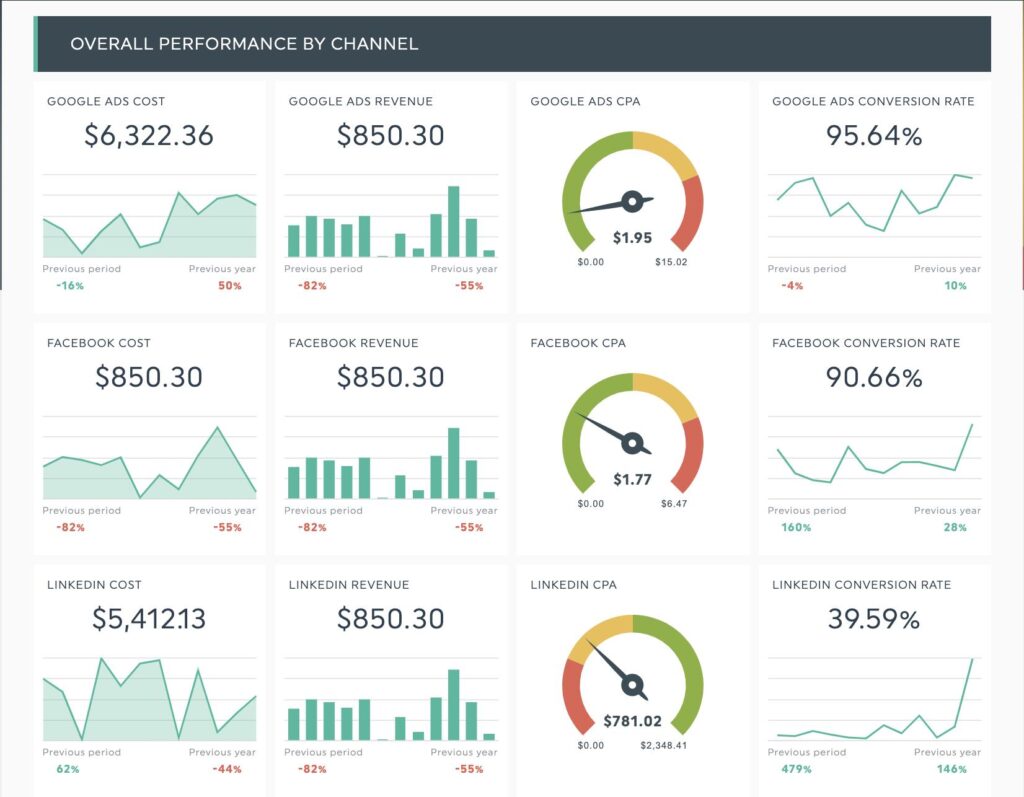
Without analytics, advertising becomes guesswork. Metrics like CTR (Click Through Rate), CPC (Cost Per Click), and conversion rate help measure success.
I personally review campaign performance daily. Data helps identify what is working and what needs improvement. Beginners must learn that digital advertising is data-driven, not assumption-driven.